Conveyor Belt Scales About
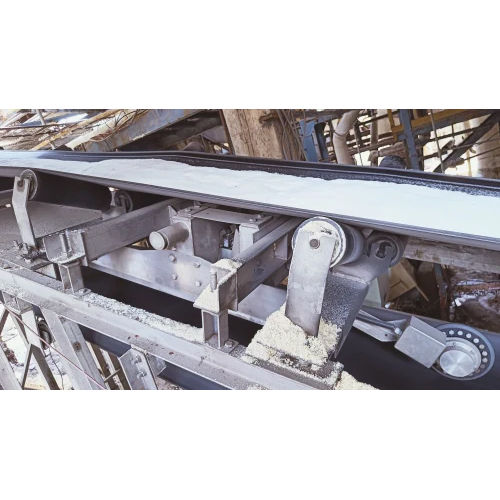
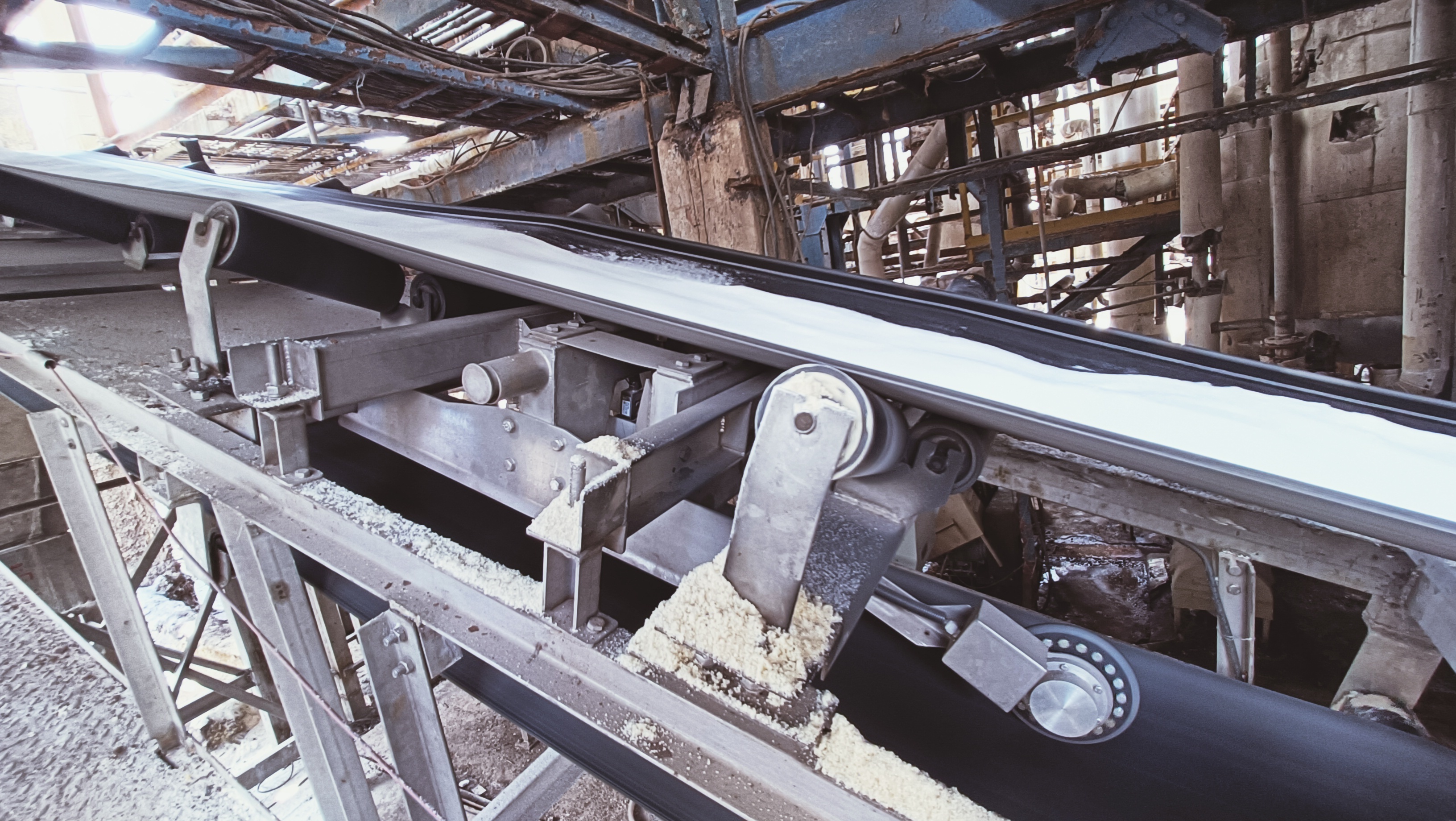
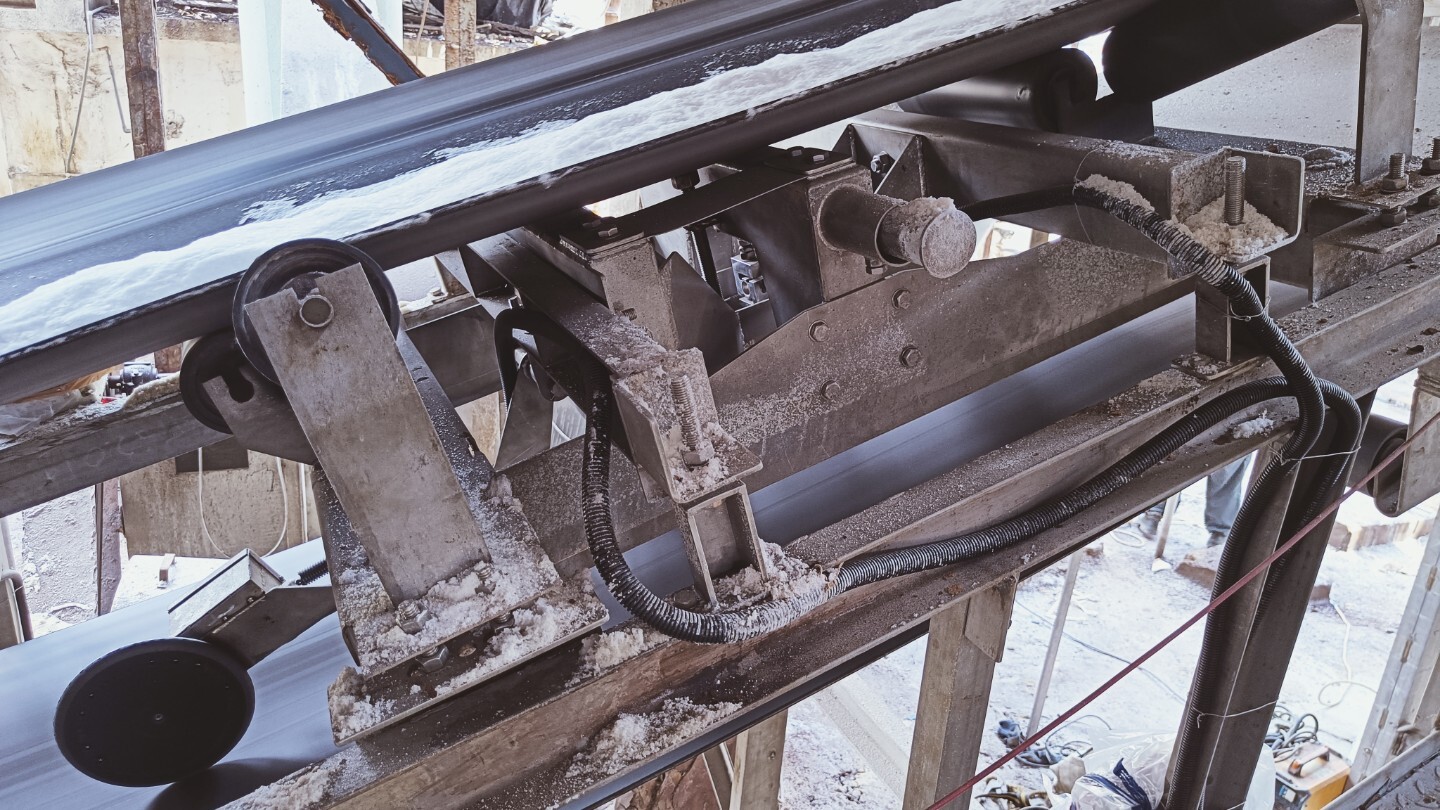
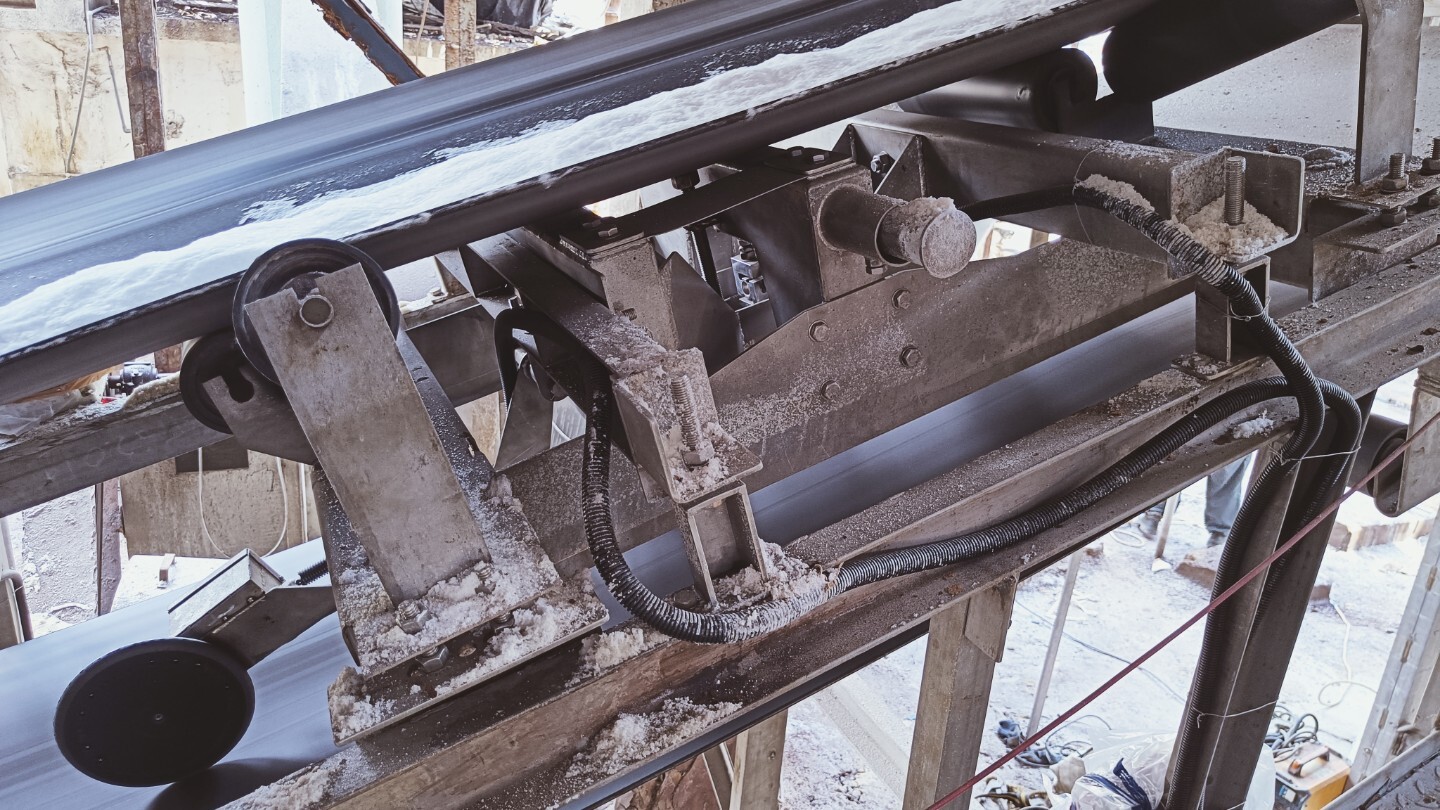
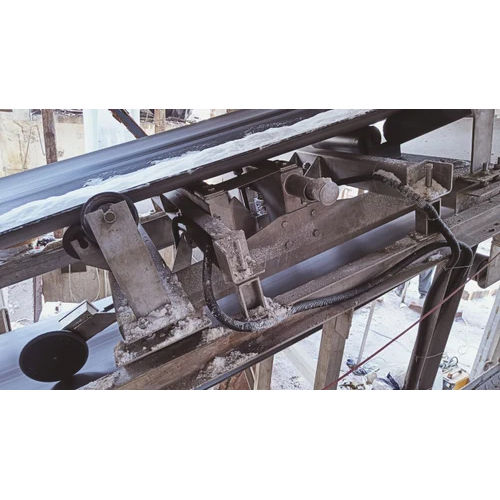
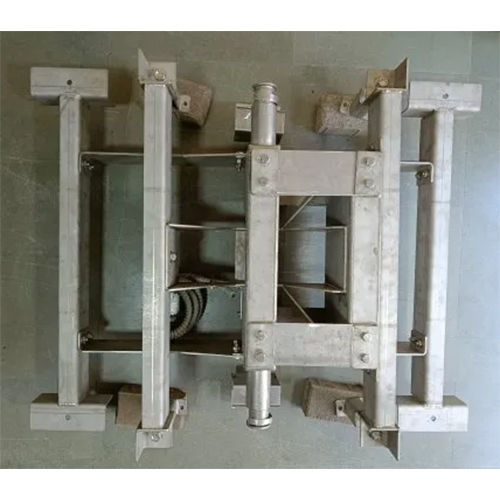
Conveyor belt scales are integrating weighing devices that use a simple integral calculus summation process to measure a conveyed quantity of material. Two variables are involved: weight and speed. A weight function measures the weight of a small section of a conveyor. The gross weight on the scale is the weight of the belt, the belt conveyor idler, and the material on the belt. The net weight of material only is the gross weight less the weight of the supported section of the belt and the scale idler. The speed function is the second variable to be measured. Most modern speed sensors are rotary digital pulse generators. These can be optical, magnetic or other on/off sensing units. They are mounted on a pulley or wheel that rotates as the belt moves. They generate an on/off signal as they move which is directly proportional to the distance the belt moves and the speed of the belt.
High-Capacity Precision & AdaptabilityOur conveyor belt scales cater to industries requiring anywhere between 5 and 20,000 tonnes per hour, adapting seamlessly to your specifications. The flexible sizing and robust carbon steel build ensure long-term performance with minimal maintenance, making them ideal for continuous operations in mining, manufacturing, and material handling sectors.
Energy-Efficient & Reliable TechnologyOperating efficiently at 150 watts and compatible with 110V-230V AC, our belt scales help optimize energy consumption while delivering accurate results. The gravity roller conveyor design and troughed belt structure enable smooth material movement for consistent weighing-essential in process control and optimizing throughput.
FAQ's of Conveyor Belt Scales:
Q: How are conveyor belt scales installed and integrated into existing conveyor systems?
A: Our conveyor belt scales are designed for seamless installation onto existing roller conveyor systems, supporting gravity-driven operations. The modular structure allows for customization in size as per your specifications, ensuring compatibility with various industrial setups. Detailed installation guidance is provided for secure integration.
Q: What is the process for calibrating the conveyor belt scale to ensure accurate measurements?
A: Calibration involves placing known test weights on the belt to compare actual versus system readings. Our service team provides step-by-step procedures and maintenance checks, ensuring the scale's accuracy over time. Regular calibration is recommended, especially after scale relocation or significant material change.
Q: When should a company consider upgrading or investing in these conveyor belt scales?
A: Companies should consider implementing these scales when expanding capacity, automating material handling, or requiring more accurate weight tracking for process optimization. Upgrading becomes essential when older systems show decreased accuracy or reliability, impacting operational efficiency.
Q: Where are these conveyor belt scales commonly used within industrial settings?
A: They are widely deployed in mining, power plants, manufacturing, ports, bulk material handling, and production lines across India. The adaptable design fits both new and retrofit applications in various industries needing precise bulk material measurement.
Q: What benefits do conveyor belt scales offer in industrial applications?
A: Conveyor belt scales enable real-time monitoring of bulk material flow, improve inventory control, assist in compliance with regulations, and support process optimization. The integrated warranty and local support provide added value for continuous operation.
Q: How does the gravity roller conveyor and troughed belt configuration enhance usage?
A: The gravity roller conveyor ensures smooth movement with minimal manual intervention, while the troughed belt keeps material centered and reduces spillage. This combination maximizes throughput efficiency and ensures reliable, repeatable weight measurements.

 Send Inquiry




 Send Inquiry

 Send Inquiry